THE CHEAT CODES
Every missed dunk and stuck vertical comes down to a mechanical leak. You aren't unathletic, you're just losing power before you leave the floor. Click the symptom below that matches exactly how your jump feels right now to find out what's holding you back.
-
The 0.2-Second Spring Trap:
Strength helps you produce force, but jumping is about how fast you can absorb and release it. A heavy back squat takes 2 full seconds to grind out, while a max jump happens in under 0.2 seconds. If you only train heavy and slow, your central nervous system (CNS) and tendons never learn to act like stiff springs. You don't need more plates on the bar—you need elasticity and quicker ground contact time so you can actually use your strength before you leave the floor. Want to turn that strength into actual bounce?
-
The Ground Contact Killer:
A max-effort jump requires a fast, stable plant. If you load up by squatting too deep into your takeoff, you spend way too much time on the floor. Your forward momentum dies, and all that running speed sinks straight into the hardwood—leaving you jumping off leftovers. You don't need a deeper dip on your gather; you need a faster, stiffer snap off the ground.
-
The Ball-in-Hand Drop-Off:
Almost every hooper loses 2 to 4 inches off their jump the second they hold a basketball. First, holding the ball takes away half of your upward arm swing, which normally generates free lift off the floor. Second, if you're barely grazing 10 feet without a ball, you don't have the clearance to get the ball over the iron—to catch your first real dunk on a 10-foot rim, your actual target needs to be touching 10'6". Stuck on the rim?
-
The Penultimate Step Drop-Off:
If you feel yourself slowing down or chopping your feet right as you gather to jump, your second-to-last step (the penultimate step) is killing your momentum. That step is where your run-up translates into vertical lift. It needs to be the longest, most aggressive step of your approach—pushing your hips down and forward. Next time you jump, film your feet: if your last two steps look the exact same length, you're leaving easy inches on the table.
-
The Soft Block Foot:
Running full speed at the rim feels powerful, but speed means nothing if you can't stop your forward momentum. Think about a pole vaulter: they sprint full speed, plant the pole into the ground, and shoot straight up. Your final step (your block foot) is the pole. If your block foot plants too softly instead of violently slamming the brakes, all your speed leaks forward instead of launching you upward.
-
The Fake Plyo Trap:
Box jumps don't build a higher vertical—they mostly just test how high you can tuck your knees to your chest. On top of that, most hoopers treat plyometrics like a conditioning workout, doing sets of 15 to 20 reps until their legs burn. Once you're fatigued, your ground contact slows down and you're literally training your tendons to be slow. Real vertical training requires maximum intent, lightning-fast ground contacts, and full rest between sets.
-
The Overtraining & CNS Trap:
Your vertical jump is controlled by your Central Nervous System (CNS), which fires your fast-twitch muscle fibers. If you play pickup for two hours, hit heavy legs the next day, and never take full rest days, your nervous system stays fried and your legs stay sore. You actually gain bounce while you recover—if you never let your body super-compensate, you're burying your real vertical under constant fatigue.
-
The Gather Timing Leak:
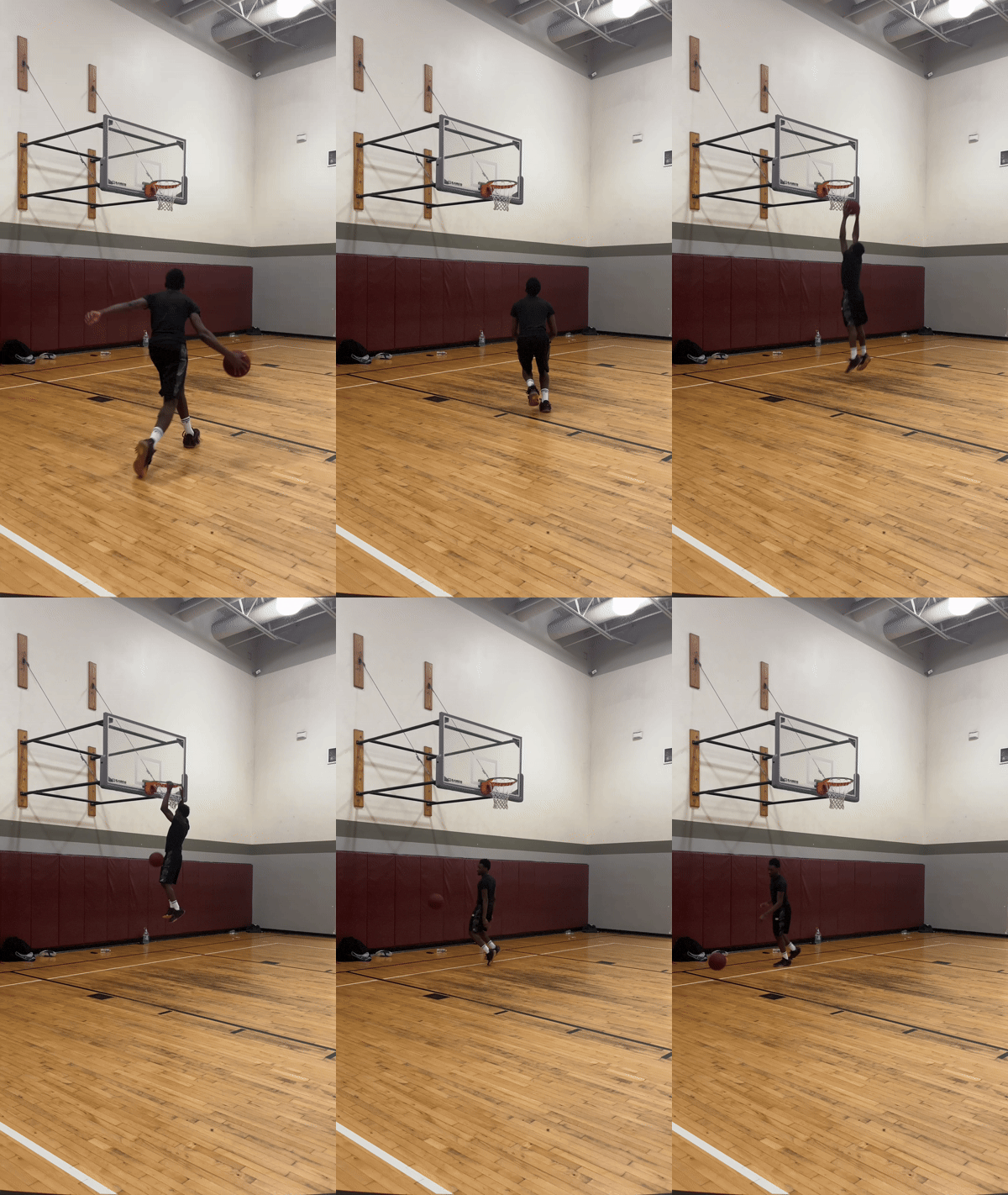
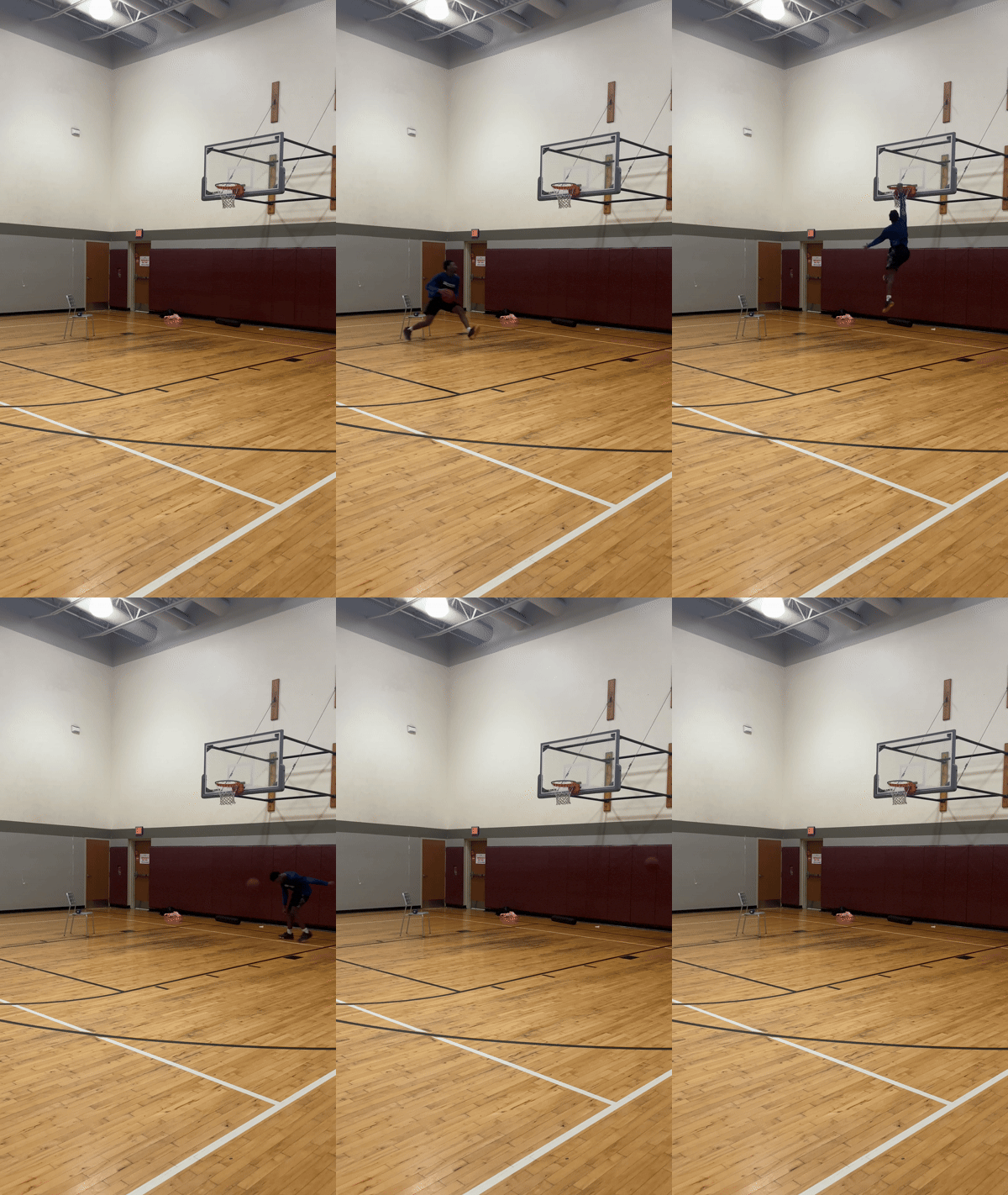
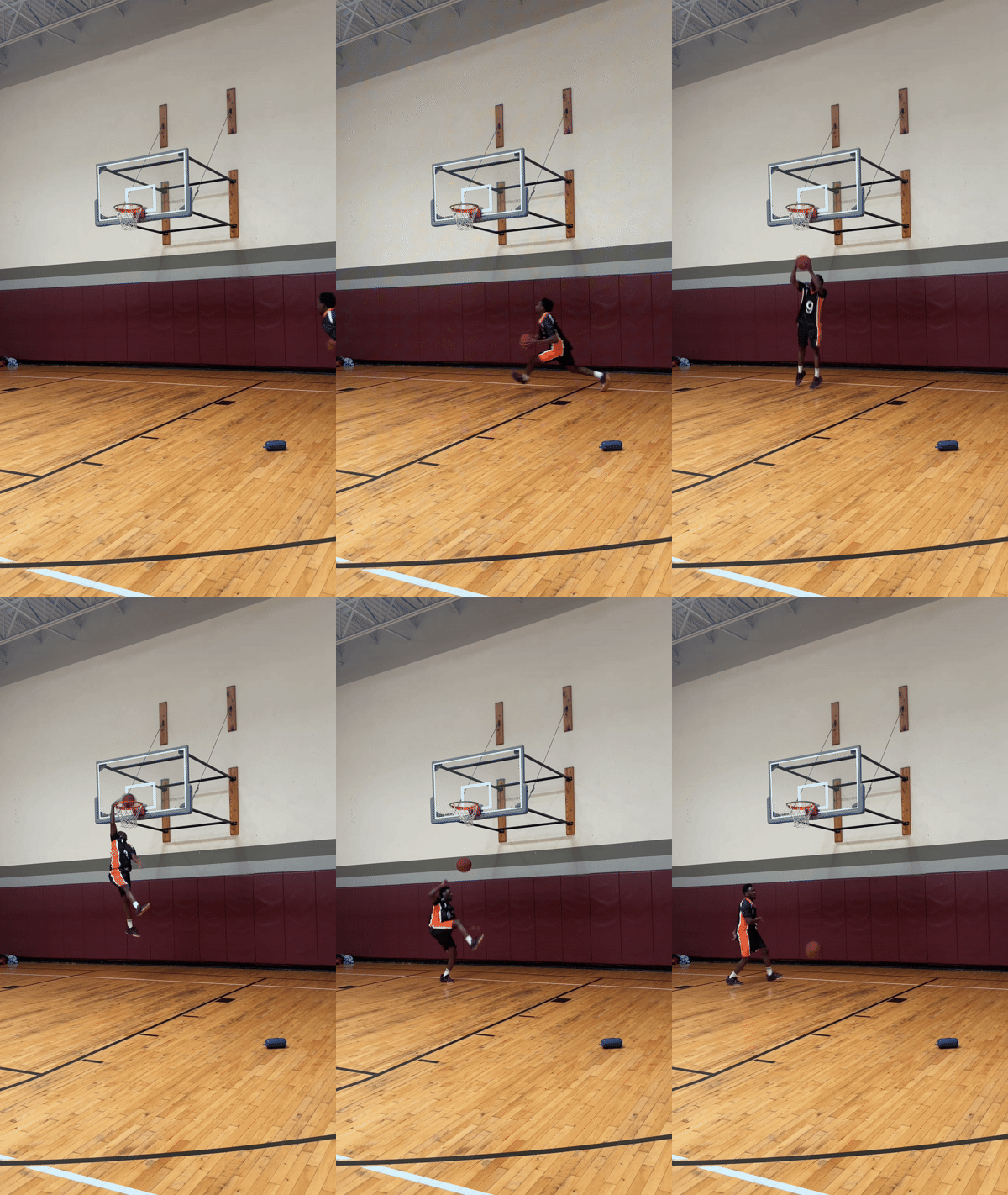
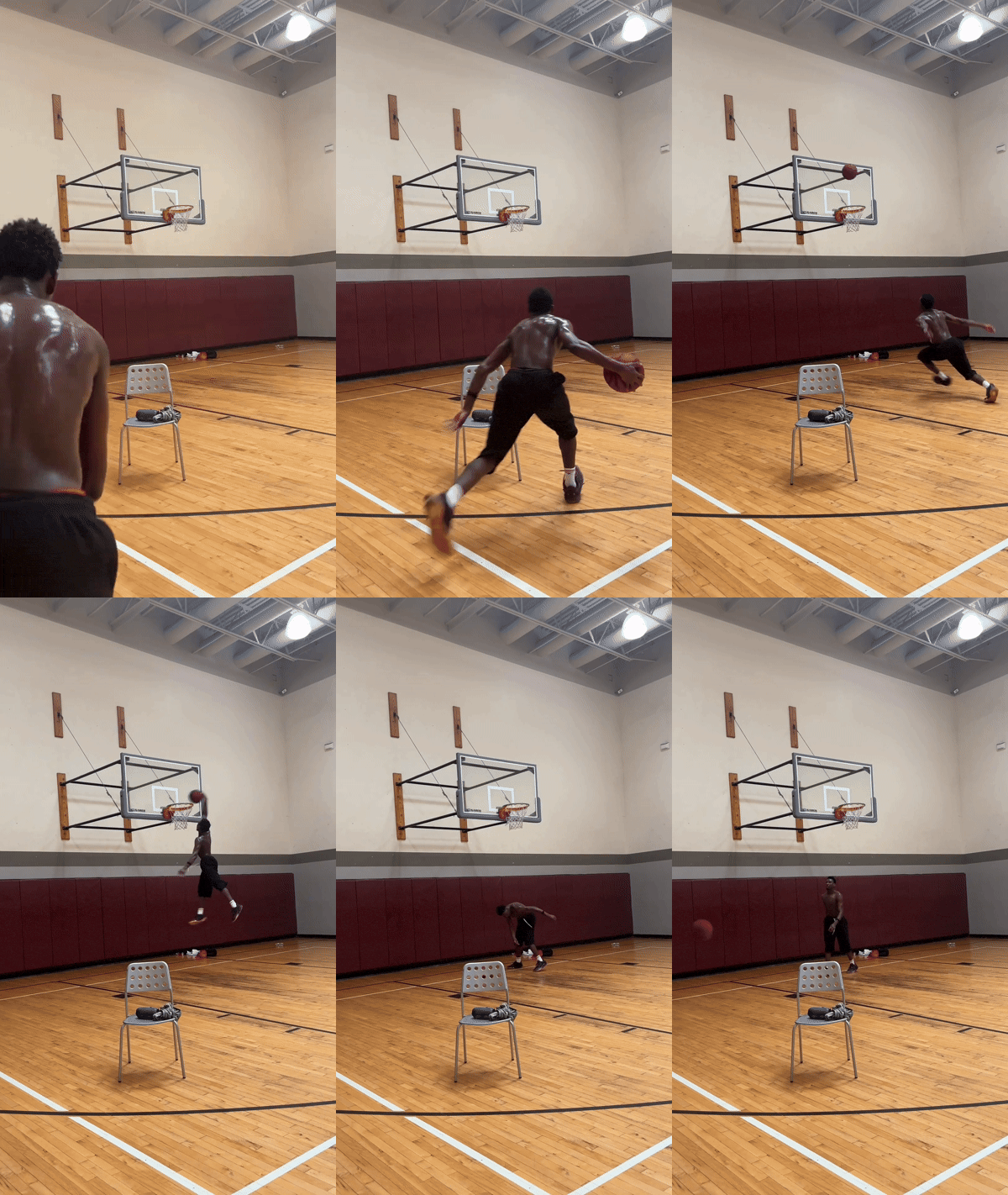
Jumping without a basketball is easy because your arms are free to swing in rhythm with your feet. The second you try to dunk off the dribble, picking the ball up a split-second too early or too late forces you to stutter-step and kills your penultimate stride. To keep your bounce with the ball in your hands, your pickup has to sync directly with your second-to-last step so you swing the ball upward right as your plant foot hits the floor. Struggling to dunk off the dribble?
-
The Takeoff Sweet Spot:
If you take off too close to the basket, you get trapped right underneath the iron and waste your height. If you take off too far outside the restricted area, your dunk turns into a long jump and you start falling before you even reach the rim. Every jumper has a specific takeoff sweet spot and a set 3- or 4-step rhythm that lets them hit top speed without having to look down or chop their feet.
-
Muscular vs. Elastic Jumping:
If you only have one or two good jumps in you before your legs feel like lead, you're muscling your jumps instead of using tendon elasticity. Muscles burn through energy fast; stiff tendons return energy like rubber bands for free. When your tendons are properly trained—and you aren't carrying extra non-functional weight—you stay bouncy deep into a workout or pickup run.
-
The Mechanics Mismatch:
One-foot jumping and two-foot jumping use completely different engines. Two-foot jumping requires deep force absorption and pure muscular power. One-foot jumping relies entirely on tendon stiffness, top speed, and aggressive braking. If you’re bouncy off two but stuck on one, your tendons aren't stiff enough to act like springs at top speed. You don't need to jump harder—you need to train the specific jump type you're weak at.